Referees Keep the Game Alive. We Need to Keep Them Well.
Referees Keep the Game Alive. We Need to Support them.
Nine Australians take their own life every day.
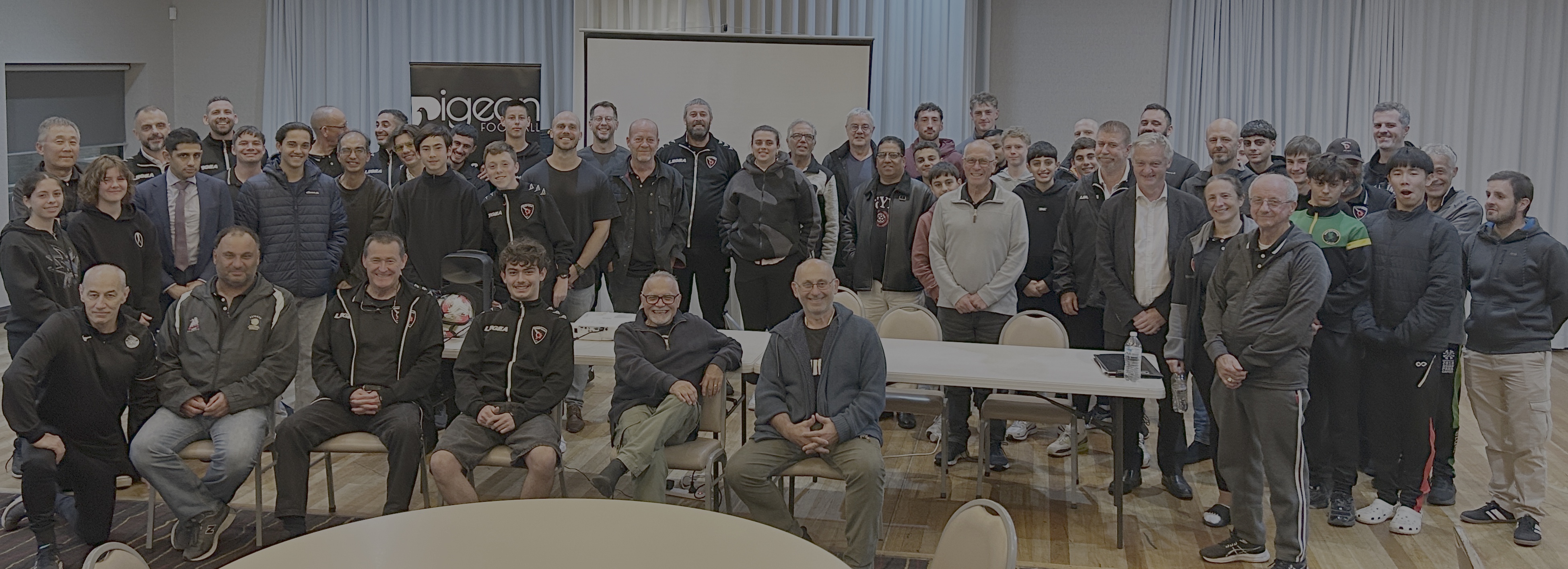
Last week, in a room full of referees from the St George Football Referees Association, that statistic landed differently. Not as a number - as one of many reasons to attend our second mental health and wellbeing workshop for referees.
The room had junior refs who'd questioned themselves before their first game. Senior refs who'd absorbed years of sideline abuse and kept showing up anyway. Experienced officials who'd quietly become the mental health lifeline for younger colleagues - without ever being asked to.
Most of them didn't know they were doing it. Which to us is the point and why we run these workshops.
Referees are football's most exposed group.
They make high-stakes decisions in real time, under pressure, in front of crowds who don't always behave. They cop it from both sides. And when the final whistle blows, most of them drive home alone.
There's no long dressing room debrief. No coach to process the game with. No structure for what happens after a particularly rough day on the park and no mid week training sessions to build any confidence deficit or hone their skills before the next games.
For newer referees, that isolation compounds over time. Many leave the game, with a 50% referee retention rate common across most local associations in NSW. The experience walks out the door with them and means next season will start with a fresh batch of referees eager to do a good job but lacking experience managing game situations.
What Pigeon Football ran with Football St George
Working with Football St George, we delivered a structured mental health workshop for the St George Football Referees Association. The session was led by Matt, our mental health facilitator who has worked with over 60,000 students across Australia.
The framework: Vulnerability. Conversation. Connection.
No clinical language. No diagnosis. Just referees talking honestly - about the pressure, the criticism, the abuse, and all the things that actually help.
One moment stood out. A now experienced referee who bucked the 50% retention rate many years ago describing what it meant to see senior officials show up to support him early in his career. He didn't need to say much. "It lifted me out of a dark place," he said.
No program. No initiative. Just presence that made a huge impact and helped keep that experience in the game for many years to come.
Why this matters for your association
Referee retention isn't a scheduling problem. We’d argue it’s partly a support problem which can tail into a confidence, wellbeing and potential mental health problem.
When referees feel supported, they stay. When they stay, skills and experience build. When experience builds, games run better - and the next generation of officials has someone to learn from.
The feedback from our workshop? Referees demanded it become "a yearly thing." One young official credited a previous FSG referee workshop as the nudge they needed to seek support.
These aren't soft outcomes. They compound.
Working with us
Pigeon Football delivers mental health awareness workshops to both general Football communities and also referee specific sessions across Sydney and NSW. Our goals are simple: provide awareness to football communities about mental health and wellbeing through a football context. There are many situations in a footballers career where they will need support. Providing that awareness helps them in a football and life context.
If you run a referee body, football association, or club and want to explore what this could look like for your community - we'd like to talk.
Michael O'Riley - Founder Pigeon Football Australia - quality footballs, real community impact.